Preparing for Spring: Training and Conditioning Tips for Climbers (and a Little for Hikers)
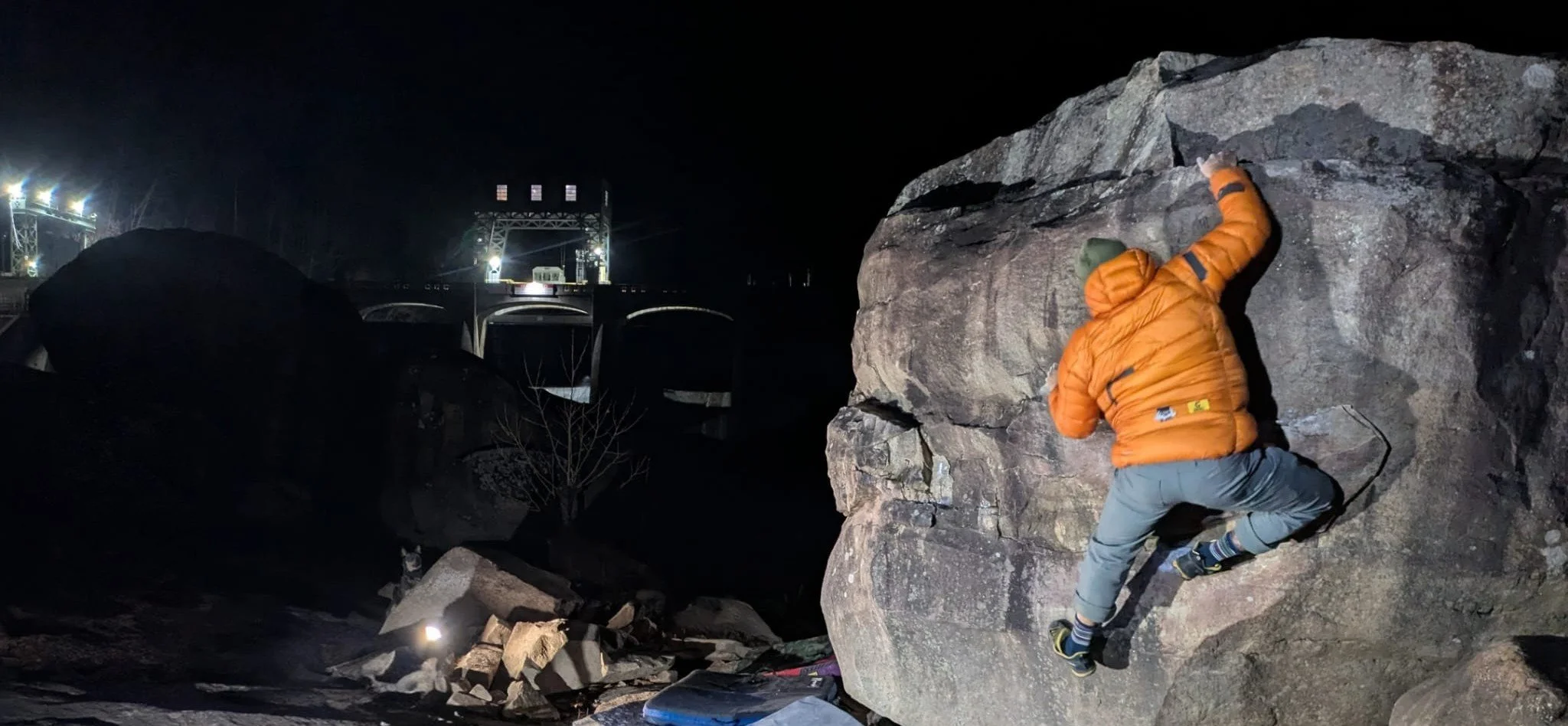
January may still feel like deep winter in the New River Gorge, but for climbers, this is the season of preparation. Spring arrives fast, and those first cool, dry days are when many of us hope to climb our best. The weeks leading up to spring are the perfect time to build strength, reinforce good movement habits, and set realistic goals that carry you into the outdoor season feeling strong, confident, and injury-resistant.
What We’re Going To Cover:
Building foundation
Finger strength
Finger strength is the backbone of climbing performance and one of the slowest physical attributes to build. That’s why winter is the ideal time to focus on it.
Building power
Technique and movement
Winter gym sessions are the perfect environment to refine technique. Indoors, you can practice efficient body positioning, footwork, and decision-making without the pressure of a specific outdoor goal.
Power and endurance
The New River Gorge is known for pumpy faces, sustained sequences, and long moves between gear or bolts. Power endurance training prepares you for exactly that type of terrain.
Injury prevention
Climbing places repeated strain on the fingers, elbows, shoulders, and hips. A successful winter training season includes work that keeps the body balanced and resilient.
Mental prep
A Quick Note for Hikers
While this guide focuses on climbers, hikers can benefit from winter conditioning as well. Strengthening the ankles, hips, and core improves stability and reduces injury risk once the trails dry out. Conditioning hikes, loaded pack training, and a quick footwear check can prepare you for longer spring days at the New River Gorge.
Whether you're eyeing a specific project this spring or simply want to feel fitter and more capable on rock, the work you put in now will pay off when the days get longer.
Building a Strong Foundation
The best spring seasons start long before you tie into a rope outside. Winter training is all about smart progression, tendon adaptation, and strengthening the movement patterns that make climbing efficient. Instead of jumping back into intense sessions after holiday downtime, this is the moment to rebuild gradually and intentionally.
What this looks like in practice:
Shorter but more frequent sessions
Leaving a little energy in the tank
Prioritizing form and control over maximum effort
Finger Strength: The Number One Performance Predictor
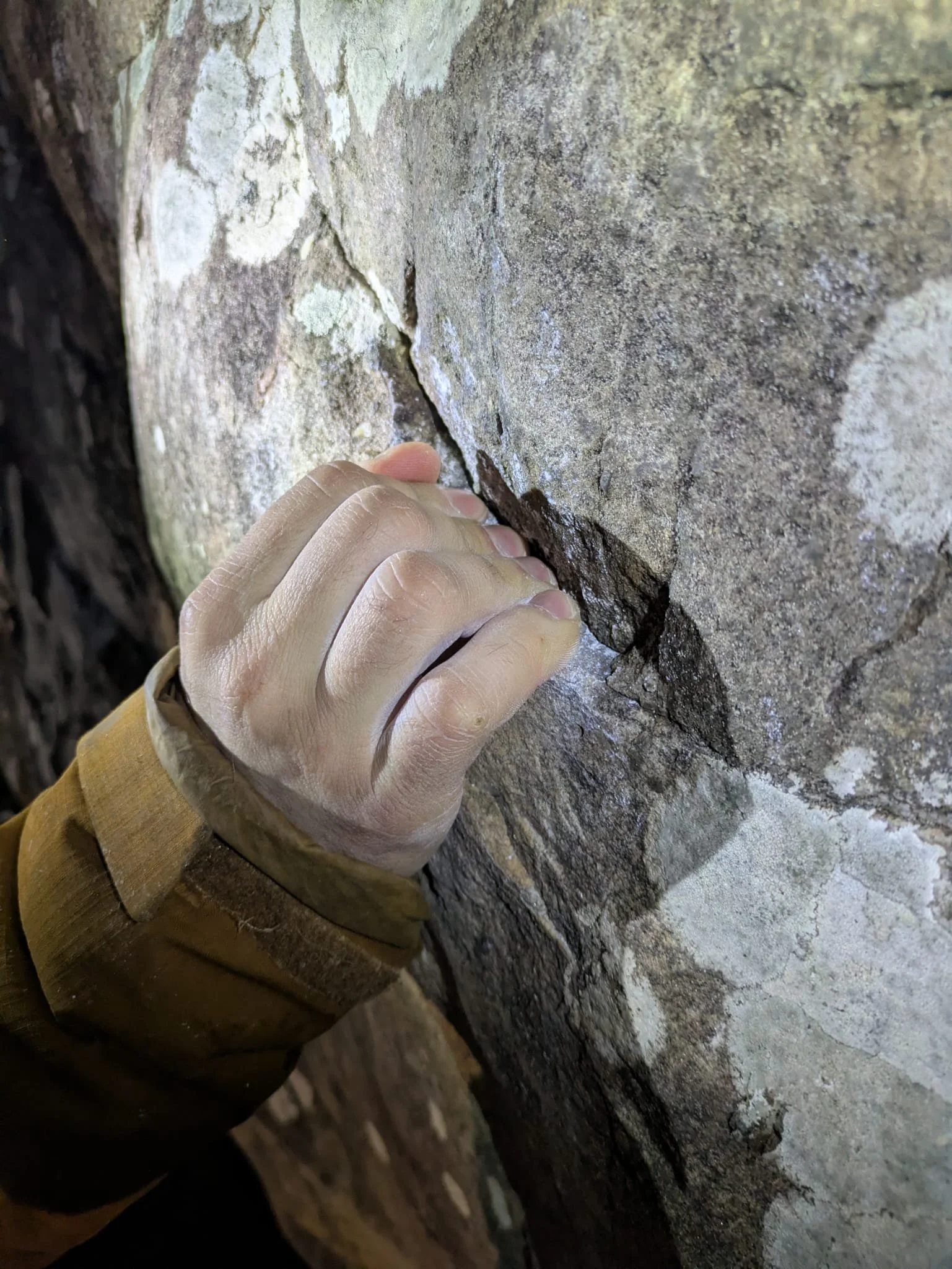
Starting with hang board sessions inside can tremendously help you crimp better outside
Structured hangboard sessions twice per week can dramatically improve your ability to hold small edges and resist fatigue. Beginners can start with repeaters on larger holds, while more experienced climbers may incorporate max hangs or density hangs on smaller edges. The key is consistency, measured progression, and prioritizing good form.
Goal ideas:
Complete a six- to eight-week hangboard cycle
Increase your max hang time on a specific edge
Reduce the amount of assistance weight on repeaters
Hangboard Training Resource: https://www.metoliusclimbing.com/training_guide_10_min.html
Strength and Power: Training the Engine
While finger strength is essential, your overall strength and power determine how well you can move between holds and maintain tension on the wall. A balanced winter program includes pulling strength, core stability, and shoulder support.
Effective exercises include weighted pull-ups, rows, deadlifts, ring or bench push-ups, core circuits, and kettlebell hinges. More advanced climbers may incorporate campus board progressions, but only after rebuilding baseline strength.
Goal ideas:
Add weight or reps to core movement patterns
Improve weighted pull-up performance
Complete a structured weekly strength routine without interruption
Technique and Movement Drills
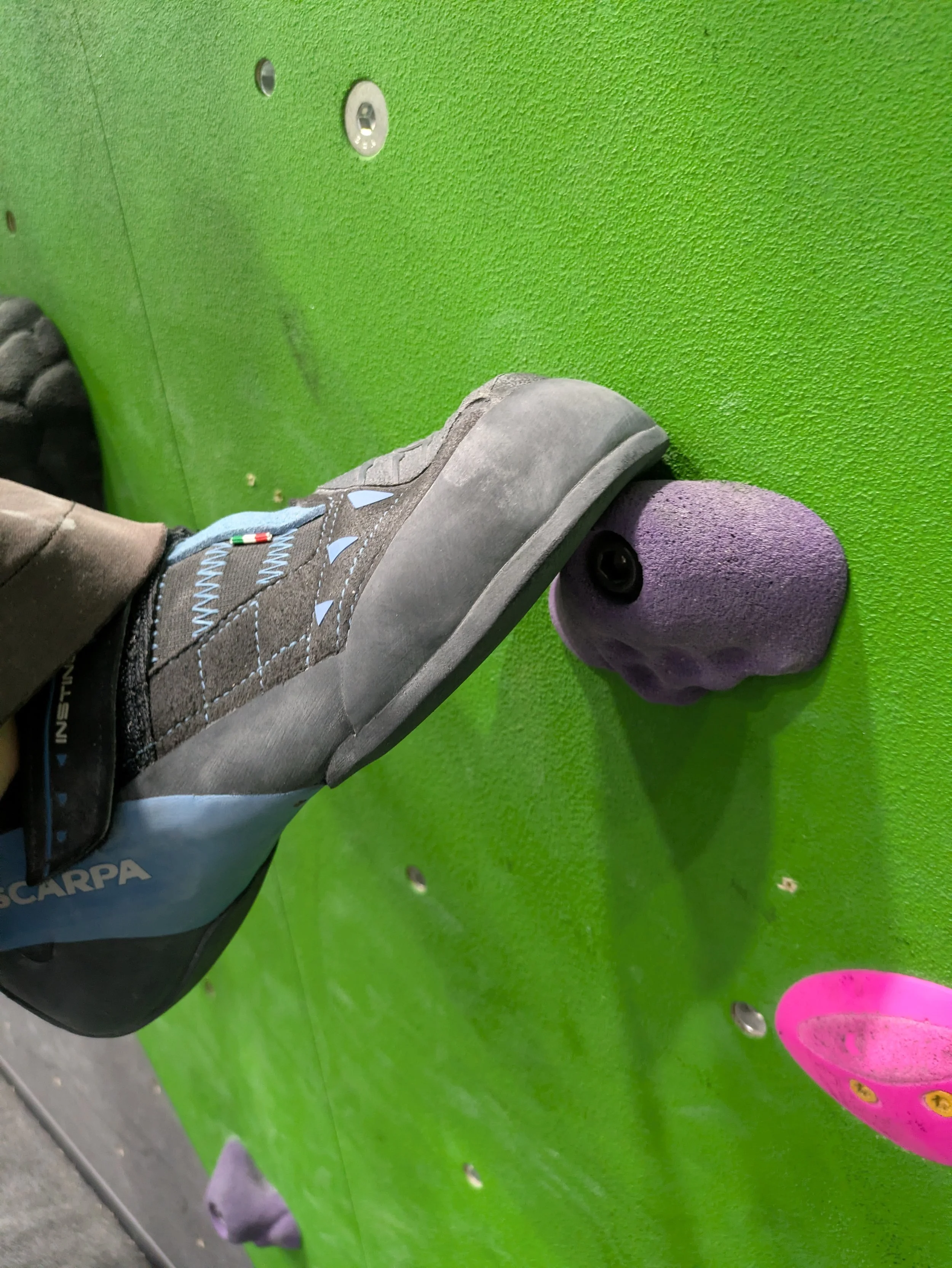
Working on intentional feet placement (instead of flailing or scraping) will help save energy and your rubber soles
Useful drills include silent feet*, downclimbing, foot-swap practice, pausing before every movement to assess body position, and completing routes using as little upper-body pulling as possible. For many climbers, improving technique can unlock grades just as effectively as building strength.
Goal ideas:
Decrease energy spent trying to find a position on the wall
Reduce the number of foot slips or misplacements
Try different climbing styles to expose weaknesses
*Silent Feet: It means to carefully place your feet so that there is no noise from "stomping" onto the holds. Also try to hit the hold directly and not hit the wall first and then scrape down until you reach the hold.
Power Endurance and Energy Systems
Structured sessions such as 4x4s, boulder link-ups, route laps, and ARCing* help develop your ability to climb continuously without breaking down. These training methods are taxing, so they should be added gradually once a strength base is re-established.
Goal ideas:
Complete a full 4x4 circuit on appropriate grades
Perform 20 to 30 minutes of continuous low-intensity climbing
Improve recovery time between linked routes
*ARCing: Aerobic Restoration and Capillarity: Low intensity, long duration, skill focused climbing. It involves getting on the wall and staying on for long chunks of time while managing your effort level to avoid getting pumped. It focuses on improving the forearm muscles' ability to sustain effort over long periods by increasing capillary density, enhancing oxygen delivery, and improving recovery.
ARC Training Resources: https://faclimbing.com/training-tips-arcing-anyway/
Injury Prevention: Antagonist and Mobility Work
Antagonist training—such as push-ups, dips, external rotations with bands, and reverse wrist curls—helps counteract climbing’s repetitive pulling motions. Mobility work for the hips, ankles, shoulders, and thoracic spine improves movement quality and reduces injury risk.
Goal ideas:
Dedicate ten minutes to mobility each day
Build stable shoulders through regular scapular work
Develop balanced pulling and pushing strength
The Mental Side of Preparation
Strength and technique can be trained, but mindset also plays a significant role in climbing performance. Winter is an excellent time to incorporate fall practice, visualization drills, breathing exercises, and intentional pre-climb routines.
Indoor lead fall practice or practicing techniques while indoor bouldering builds confidence in a controlled environment, while visualization helps climbers manage fear, execute sequences smoothly, and stay focused during crux moments.
Goal ideas:
Practice controlled lead falls during every gym session
Visualize the moves of each project before leaving the ground
Develop a personal routine for preparation and recovery
Want to get more mentally prepared for climbing but don’t know where to start? We recommend checking out the Warrior’s Way, or consider taking a class with the New River Mountain Guides.
Check Your Gear Before the Season Starts
Winter is the perfect moment to take inventory of climbing shoes, chalk bags, harnesses, helmets, belay devices, and any soft goods nearing retirement. It’s also a great time to explore training tools such as hangboards, resistance bands, and grip trainers.
If you need help assessing the condition of gear or finding the right tools for your training plan, we’re always happy to help you at Water Stone Outdoors.
Check out our blog about checking your gear
Looking Ahead to Spring
Training with intention now will set you up for a productive and enjoyable spring season. Whether your goal is to climb a specific route, feel more confident on lead, or simply build a healthier and more balanced body, these winter months are a powerful opportunity to reset, rebuild, and prepare.
If you’d like help selecting training tools, refreshing your gear, or getting inspiration for new objectives, stop by the shop anytime. We’re here to help you make this your strongest spring yet.